Can Extermination Services Help With Ongoing Pest Problems in Scarborough?
Absolutely — pest control Scarborough services are able to help with recurring infestations, but the strongest results come from more than a single treatment. Ongoing infestations usually continue when the infestation source is still present, when entry points stay open, or when conditions like moisture and access to food sources remain unchanged. A trained professional exterminator focuses on long-term control, not just quick relief.
In Scarborough, pest issues often return because of the area's housing mix: older homes, condominiums, townhomes, and properties with basements that may have structural gaps or humidity problems. Dense residential streets, shared waste storage, and multi-unit buildings can also create conditions where pests move from one area to another. That is why effective pest prevention requires a realistic, layered approach.
When pest control is done properly, it can disrupt the repeat infestation cycle by identifying the cause, applying the right treatment, and putting a maintenance plan in place. In many cases, the difference between short-lived relief and enduring results comes down to integrated pest management, inspection, and follow-through.
Why Pest Problems Continue to Coming Back
Persistent pests usually reappear because the initial problem was never fully addressed. The visible bugs or rodents may be removed, but the factors that support them are still there. That means harbouring sites, entry points, food sources, and moisture keep allowing pests to survive and re-enter.
Harbourage areas are the hidden places pests use to rest, reproduce, or travel. These can include wall voids, cluttered storage spaces, under-sink cabinets, appliance gaps, and unfinished basements. For insects like cockroaches, this is especially important because they look for warm, protected spaces with easy access to water and crumbs. For rodents, nesting areas behind insulation, in ceiling voids, or along foundation edges can support ongoing rodent activity.
Another major reason for recurrence is untreated entry points. Tiny gaps around pipes, vents, utility lines, doors, and windows can let pests move in again after treatment. This is where exclusion becomes essential. If a service does not seal cracks and gaps, pests may simply return through the same openings.
Mosquito Man Scarborough1225 Kennedy Rd, Scarborough, ON M1P 4Y1, Canada
+1 647-243-7241
https://maps.app.goo.gl/8SuLx1MkkqVJFc2m9 https://mosquitoman.ca/pest-control/scarborough/
43.7561897, -79.2751574
Food and water are just as important. Crumbs, pet food, grease buildup, open garbage, and damp areas provide food sources and water that support pest survival. Even something as simple as condensation near appliances or a leaky basement pipe can create the humidity pests need. Without strong sanitation practices and moisture control, ongoing infestations are more likely.
In Scarborough, seasonal changes also matter. Seasonal pest pressure often rises in spring and late summer across Toronto east-end neighbourhoods. Warmer weather can increase insect movement, while cooler months can drive rodents indoors. This makes it easier for pests to show up again if a property is not protected year-round.
How Pest Treatment Interrupts the Infestation Cycle
Professional pest control helps interrupt the infestation cycle by addressing the immediate problem and correcting the conditions that make it return. This approach usually begins with a thorough inspection. During this step, a technician searches for pest signs, nesting areas, structural gaps, droppings, moisture issues, and the likely source of the infestation.
After the inspection, the technician creates a targeted treatment plan. This may include a localized treatment for active pest zones, along with steps to reduce access and improve prevention. A strong plan is not generic. It should account for the pest species, the building layout, the level of pest pressure, and whether the property is a house, condo, or multi-unit building.
Follow-up service is often the key to lasting success. One visit may reduce visible activity, but pests such as ants, cockroaches, mice, and bed bugs may still be present in hidden spaces or nearby units. Follow-up visits allow the technician to assess whether the treatment worked, re-check high-risk areas, and refine the approach if needed.
Exclusion is another major part of the process. The goal is to physically prevent pests from getting back inside. That means seal cracks and gaps, repair worn weatherstripping, address openings around foundations, and block access around utility penetrations. In many properties, exclusion is what turns a short-term fix into a true pest barrier.
Some services also use monitoring traps to track pest movement over time. These tools help confirm whether pest activity is dropping and whether there are hidden hotspots that need additional attention. That monitoring adds structure to the service and supports better long-term control.
For Scarborough homes, this layered approach matters because recurring infestations often come from more than one cause. A pest issue in a basement, for example, may be driven by moisture, foundation cracks, and nearby outside access all at once. A strong plan examines the full picture instead of only treating the surface problem.
Typical Recurring Pests in Scarborough Homes
Several pests are especially known for recurring issues in Scarborough, and every species behaves in a different way. Learning about the different pests helps explain why some problems come back even after treatment.
Ants often reappear because colonies can have multiple satellite nests and follow small scent trails to reliable food sources. If kitchen sanitation is lacking or outdoor access points remain open, ants can return soon. They may also enter through walls, window frames, or foundation edges during hotter months.
Cockroaches are yet another common repeat issue, especially in buildings with shared plumbing, food waste, or hidden moisture. They thrive in cockroach harbourage areas like warm voids, behind appliances, and under sinks. If sanitation and exclusion are incomplete, a few surviving roaches can lead to another outbreak.
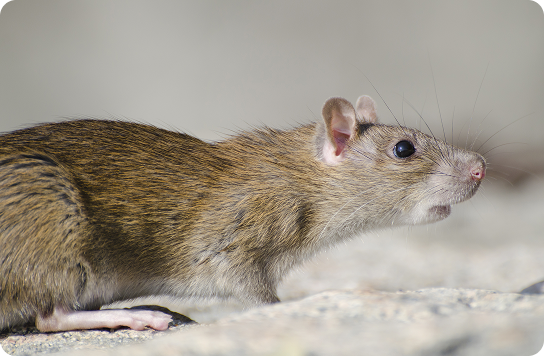
Mice are persistent because they can squeeze through tiny openings and establish nests in insulation, storage areas, and behind walls. Once inside, they search for nesting material, warmth, and food. Ongoing rodent activity often signals that rodent proofing has not fully addressed the entry routes.
Bed bugs can also recur, but for a different reason. They are often reintroduced through furniture, travel, or neighbouring units. This is why bed bug reintroduction is such a concern in apartment-style living. Even when a treatment is successful, one missed source or shared-wall transfer can restart the problem.

Wasps may also seem recurring in the warmer months, especially around eaves, decks, rooflines, and outdoor storage areas. If nests are not removed completely or if nesting sites remain appealing, they may return in the same season or the next.
In each case, the goal is not just elimination but long-term control. That means identifying where the pests are entering, where they are hiding, and what is allowing them to survive between treatments.
What Causes Scarborough Properties At Risk
Scarborough properties can be particularly vulnerable to ongoing pest problems because of the many different building types exist side by side. Older homes often have aging foundations, damaged seals, and hidden openings that develop over time. These properties may look sturdy from the outside but still contain structural gaps that pests can exploit.
Condominiums and other multi-unit buildings face a separate challenge. Pests do not always stay inside one suite. They can travel through hidden wall spaces, utility passages, shared hallways, garbage rooms, and mechanical spaces. If one unit has food debris, plumbing leaks, or clutter, nearby units can still be inconvenienced.
Basements are another recurring issue in the area. In many Scarborough homes, basement moisture, seepage, or poor ventilation creates the right conditions for insects and rodents. Damp basements often lead to higher humidity, which supports pests and makes it harder to maintain a dry, pest-resistant structure. Foundation gaps in these areas can also become frequent access routes.
Shared infrastructure can also complicate pest control. In dense residential streets and multi-unit properties, waste storage may be communal, and nearby activity can create constant pressure. If one building has poor sanitation or weak maintenance, pests may move between properties or enter through connected spaces. That is why property management coordination matters a great deal in recurring cases.
Scarborough’s mix of older detached homes, townhomes, and condo buildings makes a one-size-fits-all approach less effective. Each property type has unique risks, and repeat infestation prevention has to match those risks.
What a Skilled Pest Control Service Should Provide
A thorough service should do far more than apply treatment and leave. It should include integrated pest management, which includes inspection, sanitation, exclusion, monitoring, and targeted treatment. This approach focuses on the full environment, not just the obvious pests.
Inspection should always be the starting step. The technician needs to identify pest species, activity patterns, nest locations, and contributing conditions such as leaks, clutter, or access points. Without this assessment, treatment may miss the real cause of the repeat infestation.
Sanitation recommendations are also essential. A professional should explain how cleaning routines, waste handling, and food storage affect pest survival. Strong sanitation practices reduce food sources and make the property less attractive to pests.
Sealing cracks and gaps is another core part of service. This is the physical side of exclusion, and it is often one of the strongest ways to reduce recurrence. Closing small gaps around foundations, pipes, utility lines, and trim can dramatically reduce access.
Monitoring should continue after treatment. Monitoring traps help show whether pest activity is declining or whether pests are still active in hidden areas. This is especially important for rodents and cockroaches, where unseen movement can continue after the initial treatment.
A solid service should also discuss residual protection, treatment frequency, and what to expect next. The point is to create a realistic maintenance plan that supports prevention, not just reaction. When these elements are included, pest control becomes a long-term solution instead of a temporary fix.
When Repeated Infestation issues Need a new approach
Sometimes ongoing pest problems mean the standard treatment needs to be modified. When that happens, the issue may be more serious than the pest itself. A new approach may involve enhanced source control, improved coordination with property management, or dealing with landlord responsibilities in rental properties.
Source control means finding and correcting the actual cause of the infestation. That could be a dripping pipe, a gap in shared walls, a overlooked storage area, or a hidden nest in a basement ceiling. If the source stays active, pests can come back no matter how often surface treatment is done.
In rental buildings and multi-unit residential properties, landlord responsibilities can be a significant factor. Structural repairs, unit access, sanitation in common areas, and coordination across suites often determine whether the infestation cycle can be interrupted. For condos and managed buildings, property management may need to organize building-wide inspection and treatment rather than handling one unit at a time.
At times the original treatment also needs a rebalance treatment. This means fine-tuning the service based on new evidence from monitoring, renewed activity, or a shifting seasonal pattern. For example, spring activity may require a different strategy than late summer rodent pressure. A smart provider will respond instead of repeating the same step without results.
Repeated infestations should be treated as a signal. They often point to a hidden access issue, a moisture problem, or a building-wide source that needs coordination. That is why the best pest control services look beyond the visible signs and work toward true long-term control.
Prevention Strategies for Scarborough Residents
After treatment, ongoing prevention is what helps keep pests from reappearing. Scarborough residents can reduce the chance of another infestation by focusing on a few useful habits at home and around the property.
Trash storage should be secure and regular. Keep sealed bins, clear waste regularly, and maintain outdoor garbage areas clean. In multi-unit residential settings, uncontrolled waste can lure ants, rodents, and wasps. If garbage is stored near side entrances or laneways, pest pressure can increase quickly.
Home sealing is especially vital in historic homes and basement areas. Review door sweeps, window seals, vents, and utility openings. If you can see sunlight, air drafts, or moisture around an opening, pests may be able to use it too. Effective weatherproofing supports exclusion and reduces the chance of repeat entry.
Kitchen hygiene also counts each day. Clean counters, clean under appliances, store food in closed containers, and avoid setting out pet food overnight. These habits cut down on food sources for ants, cockroaches, and mice. Good kitchen hygiene is one of the simplest and best pest prevention steps.
Yard maintenance can make a real difference. Keep your grass cut short, get rid of debris piles, remove overgrown areas, and store firewood well away from the house. Exterior clutter can create nesting areas and hiding spots, especially for rodents and wasps. In neighbourhoods with tight lot lines and dense residential streets, outdoor upkeep matters more than many people notice.
For lower levels, check for wetness, drips, and limited airflow. Tackle moisture control quickly, since humidity and seepage can support both pest and rodent infestations. If you have repeated concerns, ask for a full property inspection and a tailored strategy that includes exclusion, cleaning, and follow-up treatment.
In Scarborough, the most effective protection against recurring pest issues is a combination of sealing, cleaning, watching, and regular upkeep — not just one treatment.
FAQ: Recurring Pest Control Questions
Can pest control help with recurring infestations?
Yes. Pest control can reduce recurring infestations when it targets the root cause, not just the surface signs. A proper service should include a full inspection, treatment, barrier sealing, sanitation, and follow-up treatment. That combination helps build long-term control instead of brief improvement.
Why do pests keep coming back after treatment?
Pests often come back because the original pest source was not fully removed. Frequent reasons include unsealed access points, sheltered hiding places, available food, dampness, travel between adjoining walls, or https://blogfreely.net/eleganmyup/what-lures-wasps-to-your-home-in-scarborough reintroduction of bed bugs. If the same conditions remain, the infestation can persist.
How often should pest control be done in Scarborough homes?
How often service is needed depends on the pest, the building type, and the level of activity. Homes with ongoing rodent activity, cockroaches, or repeated ant issues may need more frequent visits and a maintenance plan. In Scarborough, seasonal pest pressure in spring and late summer can also affect treatment frequency.
Do recurring infestations need follow-up inspections?
Yes. Follow-up inspections are important because they show whether the treatment worked and whether pests are still active in hidden areas. Monitoring traps, inspection checklist reviews, and re-checking structural gaps can reveal problems before they spread again.
What can I do to prevent pests from returning after service?
Focus on sanitation, moisture control, weatherproofing, and sealing cracks and gaps. Keep garbage storage secure, maintain kitchen hygiene, and reduce clutter in basements and storage areas. If you live in a condo or managed property, coordinate with property management so common areas and neighbouring units are also addressed.